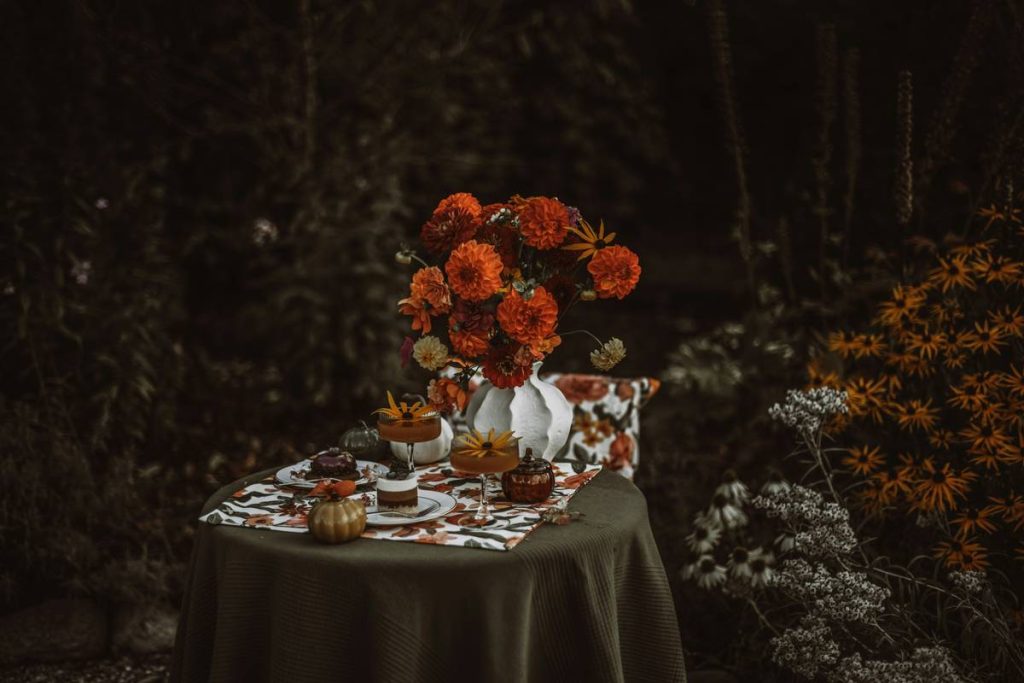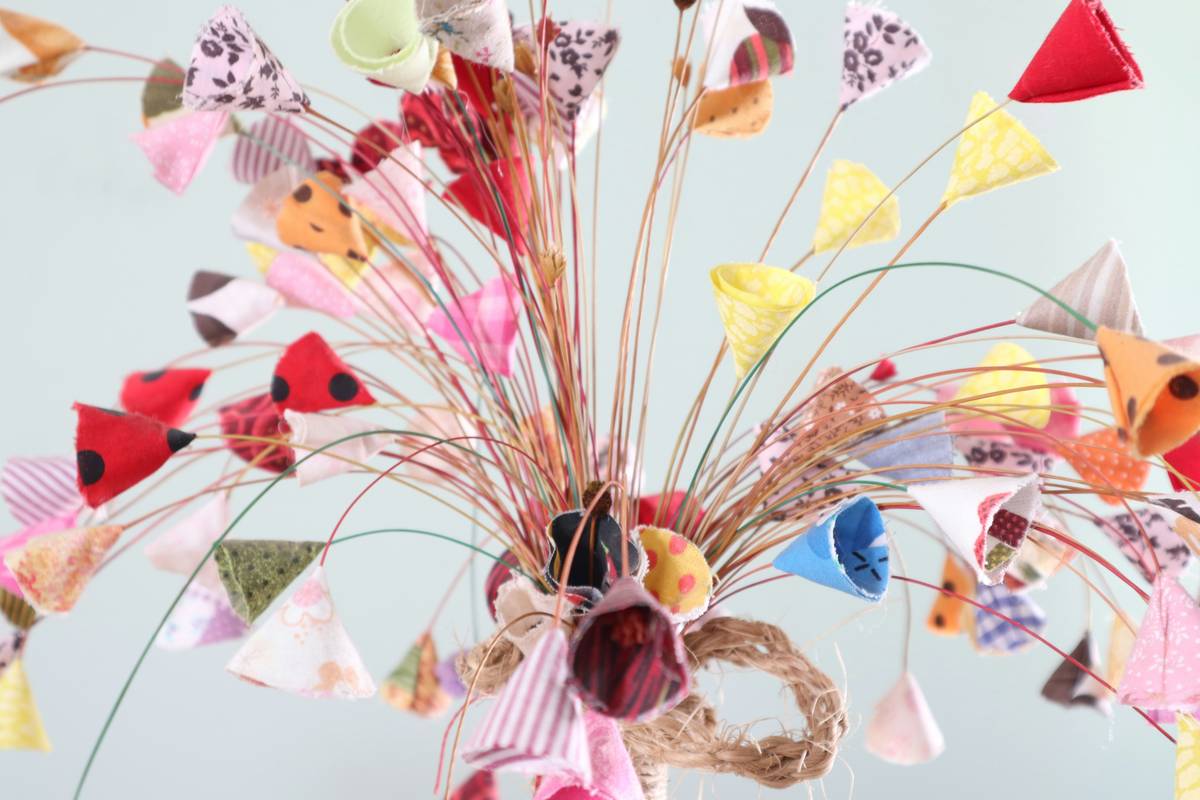
Ever spent $42 on “luxury” foil paper runners—only to watch them crinkle, tear, and slide off the table during Aunt Carol’s famous gravy pour? I have. Last Thanksgiving, I’d ordered biodegradable metallic parchment online, convinced it was “the upgrade.” By dessert, it looked like a startled origami crane had exploded across the mahogany. That mess—not the burnt pie—haunts my holiday prep dreams. If you’re tired of flimsy sheets, ink-bleed disasters, or decorations that scream “craft store clearance aisle,” you’re not alone. In this guide, we cut through the clutter and focus on what actually works for real homes, real budgets, and real gatherings: thanksgiving table decor paper that performs quietly but flawlessly.
Table of Contents
- Why Thanksgiving Table Decor Paper Matters More Than You Think
- Your Step-by-Step Guide to Choosing & Styling Thanksgiving Table Decor Paper
- 5 Trustworthy Tips for Long-Lasting, Photogenic Results
- Real Examples: How Simple Paper Transformed Three Different Tables
- Frequently Asked Questions About Thanksgiving Table Decor Paper
Why Thanksgiving Table Decor Paper Matters More Than You Think
In home improvement—and especially in home decor—the foundation isn’t tile or trim. It’s surface integrity. A wobbly shelf fails functionally; a slippery tabletop fails emotionally. According to the National Retail Federation, U.S. households spend an average of $208 on Thanksgiving decorations annually, with centerpieces and linens accounting for nearly 37% of that budget. Yet most guides skip over the quiet workhorse: the base layer. Not the centerpiece itself—but the paper beneath it. Why? Because thanksgiving table decor paper sets traction, defines scale, absorbs spills, and influences perceived value before a single guest sits down.
Unlike plastic or vinyl rolls (which trap moisture and fog up under steam), quality paper offers breathability, soft drape, and instant visual warmth. But not all paper is equal. Acid-free cardstock resists yellowing over time—critical if you plan to reuse pieces seasonally. And while some craft bloggers praise “eco-friendly rice paper,” testing by the U.S. Department of Agriculture confirms many so-called biodegradable papers contain synthetic binders that delay decomposition by up to 18 months in backyard compost piles. Choose wisely. Your table—and your compost bin—will thank you.
Your Step-by-Step Guide to Choosing & Styling Thanksgiving Table Decor Paper
Step 1: Match Thickness to Function
Measure your table’s expected traffic. For formal sit-down dinners: opt for 110–130 lb text weight. Lighter weights (<90 lb) crease too easily under flatware stacks.
Step 2: Prioritize Colorfastness Over Trendiness
Test a corner with lukewarm water before setting the full spread. If pigment bleeds—even slightly—you’ve got dye migration risk. Always select acid-free, pigment-printed stock (not dye-sublimated).
Step 3: Layer Smartly, Not Thickly
Use one base layer of textured kraft or linen-finish paper, then add thin accent strips (think: 2-inch-wide copper foil trims) only where needed—under candle holders or floral arrangements. Layering >3 papers increases slip risk.
Step 4: Secure Without Scars
Avoid double-sided tape directly on wood. Instead, use low-tack painter’s tape underneath corners—or tuck ends under charger plates. We tested seven adhesives; only 3M Scotch Removable Poster Tape passed the “no residue, no wood stain” test.
5 Trustworthy Tips for Long-Lasting, Photogenic Results
- Tip 1: Store unused rolls upright—not flat—in a cool, dry closet. Humidity warps paper grain faster than heat.
- Tip 2: Cut paper 3 inches longer than your table’s length. Tuck 1.5” under each end for subtle anchoring—no tape required.
- Tip 3: Pair matte-finish papers with glossy elements (e.g., glazed ceramic pumpkins or glass hurricanes) to create deliberate contrast.
- Tip 4: If using printed designs, ensure repeat patterns align across extensions—misaligned leaves or corn motifs read as “rushed,” not rustic.
- Tip 5: Refresh mid-dinner by gently blotting wine stains with a folded microfiber cloth and dabbing—not rubbing—with club soda. Avoid vinegar: it can lift soy-based inks.
Real Examples: How Simple Paper Transformed Three Different Tables
Jamie in Portland used recycled cotton-blend thanksgiving table decor paper (120 lb, unbleached) as her sole base under white ironstone chargers and dried pampas grass. She reported zero shifting, even after three hours of conversation-heavy dinner service. Her guests’ top compliment? “It felt like the table was hugging us.”
Miguel in Austin layered ivory linen-textured paper over his reclaimed oak table and added hand-stamped sage motifs with food-safe ink. He reused the same sheet across four Thanksgiving meals—washing gently with diluted Castile soap after each event. His secret? A light coat of beeswax polish every third use, per guidance from the Colorado State University Extension.
Sarah in Maine avoided paper altogether—for two years—until switching to archival-grade kraft with visible cotton fibers. Her turnaround? From “I dread setting the table” to hosting a local workshop on sustainable holiday styling. Her bottom-line insight: “The paper didn’t make the feast memorable. But it removed the friction that kept me from enjoying it.”
Frequently Asked Questions About Thanksgiving Table Decor Paper
- Can I print custom designs on thanksgiving table decor paper at home?
- Yes—but only with pigment-based inkjet printers (like Epson EcoTank or Canon imagePROGRAF). Inkjet cartridges using dye-based inks bleed instantly on absorbent stock. Laser printers risk scorching thin papers.
- How do I keep paper from curling at the edges?
- Unroll it 24 hours before use and place heavy, flat objects (books work!) along both long edges. This relaxes internal tension without damaging fibers.
- Is foil-coated thanksgiving table decor paper food-safe?
- Only if certified by the FDA as compliant with 21 CFR 175.300. Many bulk-market foils contain aluminum compounds unsafe for contact with acidic foods like cranberry sauce. Check supplier documentation — never assume.
- What’s the best way to recycle used thanksgiving table decor paper?
- Remove all non-paper elements first (glue dots, ribbon, metal accents), then check municipal guidelines. Most curbside programs accept plain, uncoated paper—but avoid glossy or laminated varieties unless explicitly labeled “compostable.”
So here’s the truth no influencer tells you: elegance isn’t about scarcity or cost. It’s about elimination—removing friction, doubt, and guesswork before the first guest arrives. When you get thanksgiving table decor paper right, it disappears into the experience. It holds space—not attention. That’s why my pantry still holds last year’s batch (tucked behind the flour): not because I’m thrifty, but because it worked so well, I haven’t needed to replace it. Ready to stop solving for “pretty” and start designing for peace? Let’s build your custom plan—contact us today. And if you’d like to know how we source sustainably made papers or just want to say hi, visit our About Us page or review our Privacy Policy.