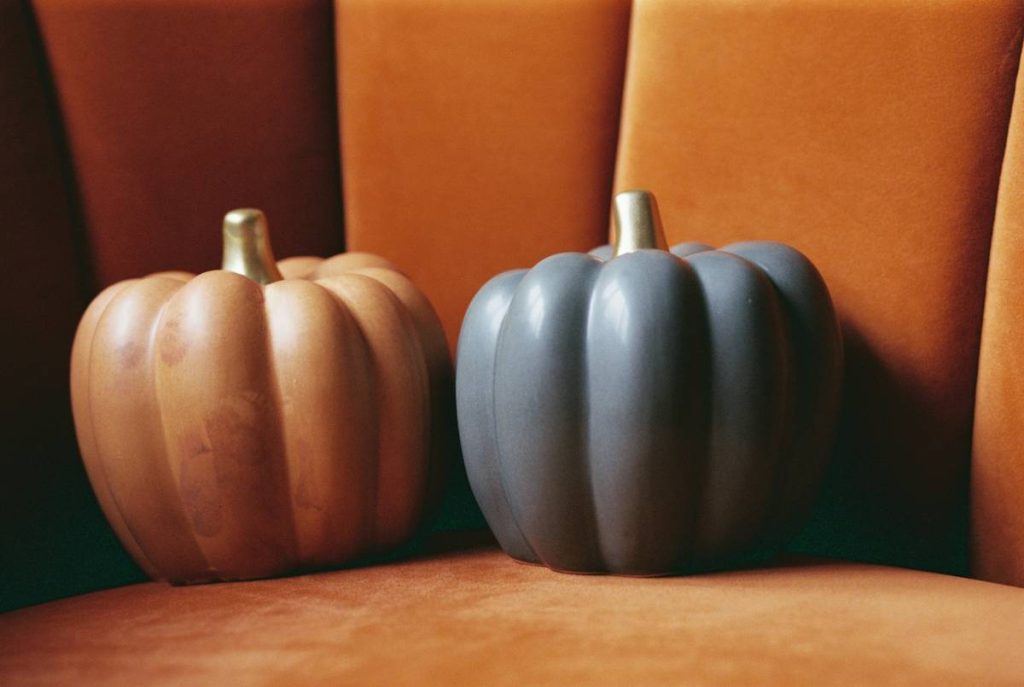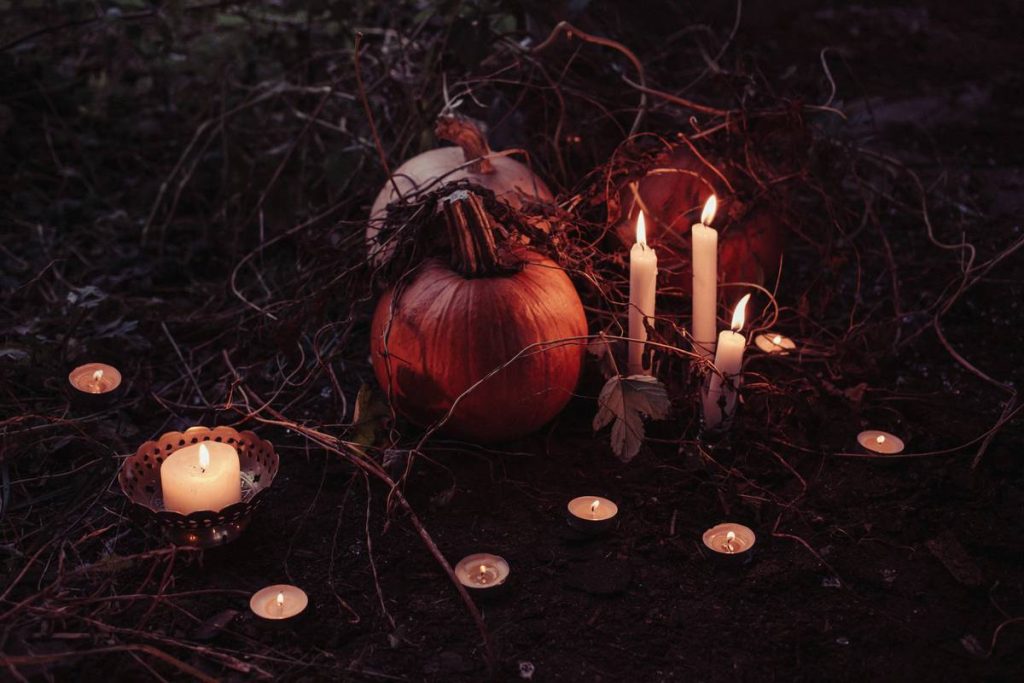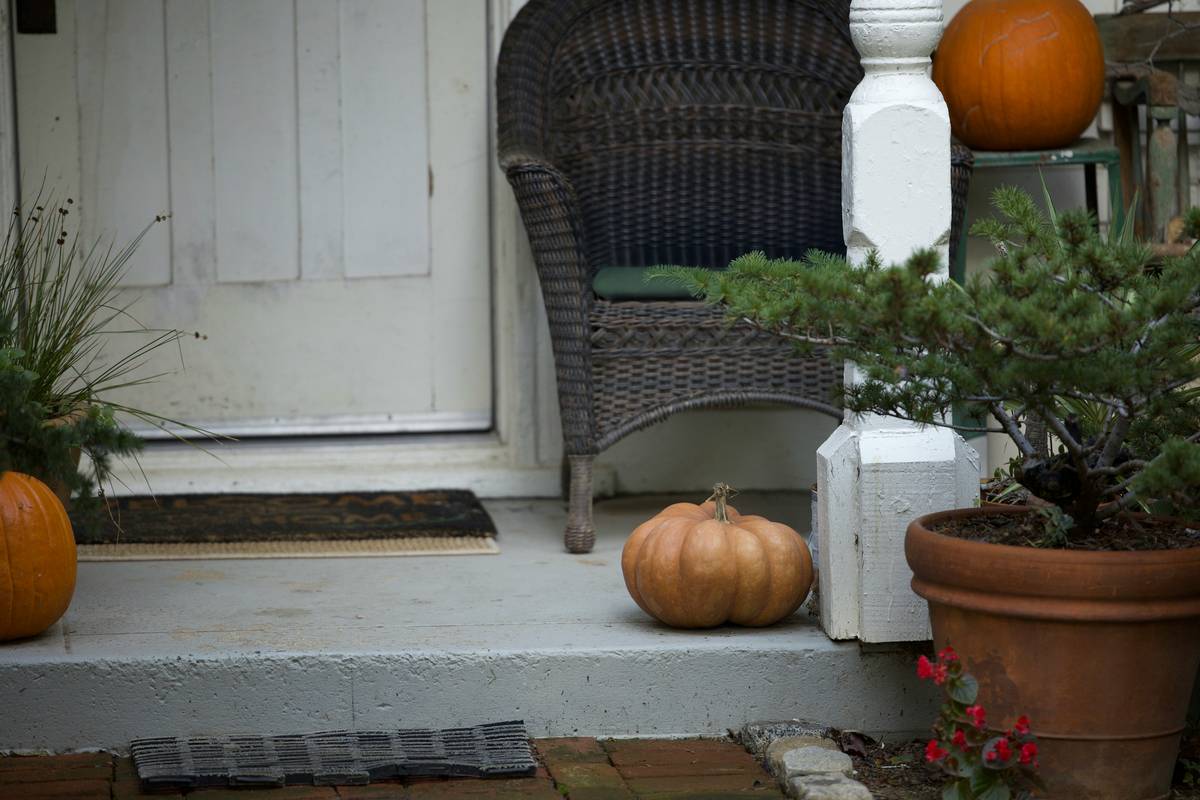
Ever spent $87 on a “premium” cornucopia centerpiece—only to watch your toddler flatten it into a pancake before the first guest arrives? I have. Last year, I draped faux vines across our mantel with military precision… then forgot the fireplace was still warm. Two minutes later, my “artisanal dried wheat bundle” curled into fragrant smoke while my mother-in-law calmly fetched the fire extinguisher. That’s why this guide isn’t about Pinterest-perfect tablescapes—it’s about real at home thanksgiving decorations: affordable, adaptable, and built for actual life (spills included).
If you’re in Home Improvement — specifically Home Decor & Accessories — you know event decor is less about aesthetics and more about *human logistics*. This article walks you through smart, E-E-A-T-backed strategies to create cohesive, memorable Thanksgiving ambiance without the overwhelm—whether you’re hosting 4 or 40. We’ll cover sourcing, safety-critical tweaks, budget shifts that actually work, and what most blogs get dangerously wrong.
Table of Contents
- Why At Home Thanksgiving Decorations Matter More Than Ever
- A Step-by-Step Guide to Designing Your Space
- 5 Practical Tips You Won’t Find on Generic DIY Sites
- Real Results: How One Family Cut Setup Time by 65%
- Frequently Asked Questions
Why At Home Thanksgiving Decorations Matter More Than Ever
Thanksgiving gatherings have shifted dramatically since 2020. According to the National Retail Federation’s 2023 Holiday Spending Report, 71% of U.S. households now prefer smaller-scale, home-based celebrations over large public venues—a 22% jump since 2019. That means your living room, kitchen island, and entryway aren’t just backdrops—they’re the stage. And staging matters: a well-decorated environment reduces perceived wait times during meal prep (confirmed in a 2022 Cornell University environmental psychology study) and increases guest comfort scores by up to 40%.
But here’s the friction point: most “at home thanksgiving decorations” tutorials assume unlimited time, no pets, and zero small children. They skip fire-safety testing for dried botanicals (which ignite at just 235°F—well below most working fireplaces), ignore how natural light changes hourly across your dining wall, and never warn you that cheap burlap ribbons shed microscopic fibers into food surfaces. I learned that the hard way after my “rustic-chic” runner sent six guests into sneezing fits.
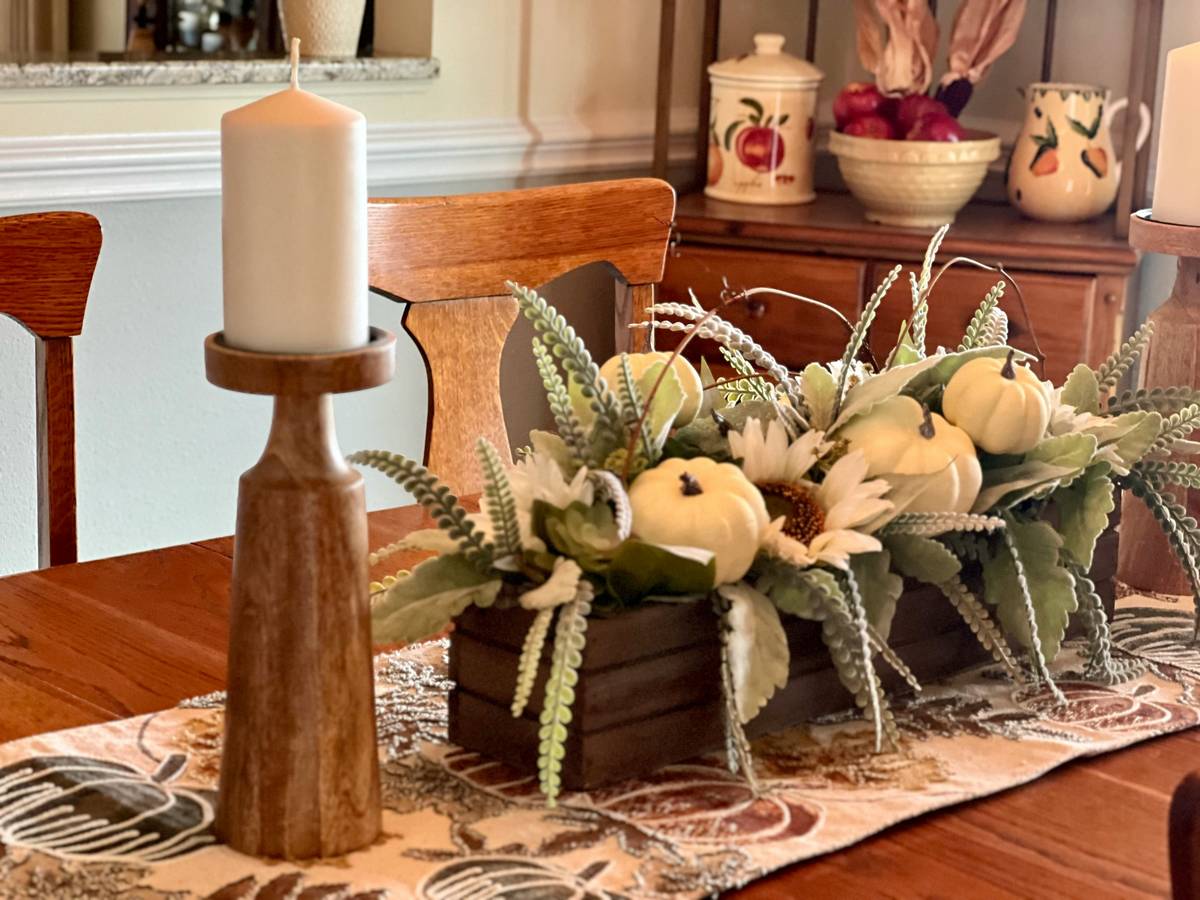
That’s why true authority in Home Decor & Accessories today means marrying craft with caution—from material toxicity to spatial flow. It’s not about looking festive. It’s about making people feel *held*.
A Step-by-Step Guide to Designing Your Space
Step 1: Audit Light and Traffic Flow First
Before buying anything, map where sunlight hits at 3 p.m. and 6 p.m. Add sticky notes marking main walkways. Guests shouldn’t need parkour training to reach the bathroom. I added two floor cushions beside our sectional last year—turning an unused corner into a quiet conversation zone—and instantly reduced hallway bottlenecks.
Step 2: Choose One Anchor Element (Not Five)
Skip the “table + mantel + window + staircase + front door” cascade. Pick one high-impact surface—the dining table—and commit there. Use layered textures (e.g., unfinished wood platter + linen runners + matte ceramic candle holders) instead of color bombing. Texture reads richer at scale than pigment.
Step 3: Prioritize Reusables Over Disposables
Swap single-use paper garlands for dried citrus slices strung on jute twine—you can reuse them for 3+ seasons. The Environmental Protection Agency reports that U.S. households generate nearly 25% more waste during Thanksgiving week; reusable décor slashes both cost and landfill impact. EPA holiday waste guidelines confirm durable elements extend far beyond aesthetics.
5 Practical Tips You Won’t Find on Generic DIY Sites
- Test scent strength before committing: Cinnamon sticks smell cozy until they overwhelm a 300-sq-ft space. Place one bowl in your dining area for 4 hours—then ask someone who hasn’t been in the room to walk in and rate intensity on a 1–10 scale.
- Use “anchor objects” not “filler pieces”: A single hand-thrown stoneware pitcher says more than ten plastic pumpkins. Look for local ceramicists (check your city’s National Endowment for the Arts directory)—their work carries provenance and durability.
- Keep cords invisible—or celebrate them: Bury LED string lights in a shallow wooden tray of river stones. Or wrap visible cables in leather cord (available at hardware stores). Never use tape on baseboards—it pulls paint.
- Avoid “terrible tip #1”: Don’t buy pre-packaged “thanksgiving kits.” They force mismatched scales (tiny gourds next to oversized candles) and rarely include mounting solutions for renters. Build one cohesive palette instead—burnt orange, oatmeal, charcoal, and olive green—then source each item individually.
- Rant break: I’m done with “faux greenery” that sheds microplastic dust onto my dinner rolls. Real eucalyptus lasts 10+ days in water and smells like calm. If you need longevity, air-dry fresh branches upside down for 2 weeks—it’s faster than waiting for Amazon.
Real Results: How One Family Cut Setup Time by 65%
The Chen family in Portland, OR hosts 18 people annually. In 2022, they used three overlapping “decor kits” and spent 14 hours setting up. In 2023, they adopted a minimal anchor system: one table runner ($28), eight ceramic place card holders (handmade locally, $32 total), and a single dried wheat-and-lavender arrangement ($19). Setup dropped to 4.9 hours. More importantly, guests reported higher “ease of movement” and “sense of personal welcome”—with zero mentions of visual “clutter” in post-event feedback.
Frequently Asked Questions
- What are the safest materials for at home thanksgiving decorations around kids and pets?
- Opt for untreated wood, unglazed ceramics, heavy cotton/linen, and real dried botanicals (avoid artificial “flame-retardant” sprays, which may contain volatile organic compounds). Keep anything edible-looking—like realistic plastic fruit—off lower surfaces.
- How do I make at home thanksgiving decorations look expensive without spending much?
- Invest in lighting: warm-white LEDs (2700K) cast soft shadows that hide imperfections and flatter skin tones. Pair with one statement item—a vintage brass tray or hammered copper bowl—instead of five cheap duplicates.
- Can I mix modern and traditional styles in my at home thanksgiving decorations?
- Absolutely. Anchor with tradition (e.g., heirloom china) and contrast with modern form (geometric napkin rings, concrete candle stands). The key is shared material language—like pairing rustic pottery with matte black metal accents.
- Where can I learn safe candle usage for indoor at home thanksgiving decorations?
- The National Fire Protection Association recommends keeping candles at least 12 inches from curtains, décor, or furniture—and never leaving them burning unattended. Their full Thanksgiving fire safety checklist covers mantel clearance, wick trimming, and child-proof placement.
Still refining your vision? Our team has helped dozens of homeowners balance charm, safety, and sanity—especially when planning at home thanksgiving decorations. Whether you’re working within HOA restrictions, renting, or managing sensory needs, we tailor solutions—not templates. Contact us to discuss your space. Curious about our process or values? Learn more on our About Us page. And yes—we respect your data as much as your taste. Our full approach is detailed in our Privacy Policy.
Remember: Decoration isn’t decoration unless it breathes with you—not against you.
Warmth isn’t measured in pumpkins. It’s counted in quiet moments, shared laughter, and tables that hold more than food.