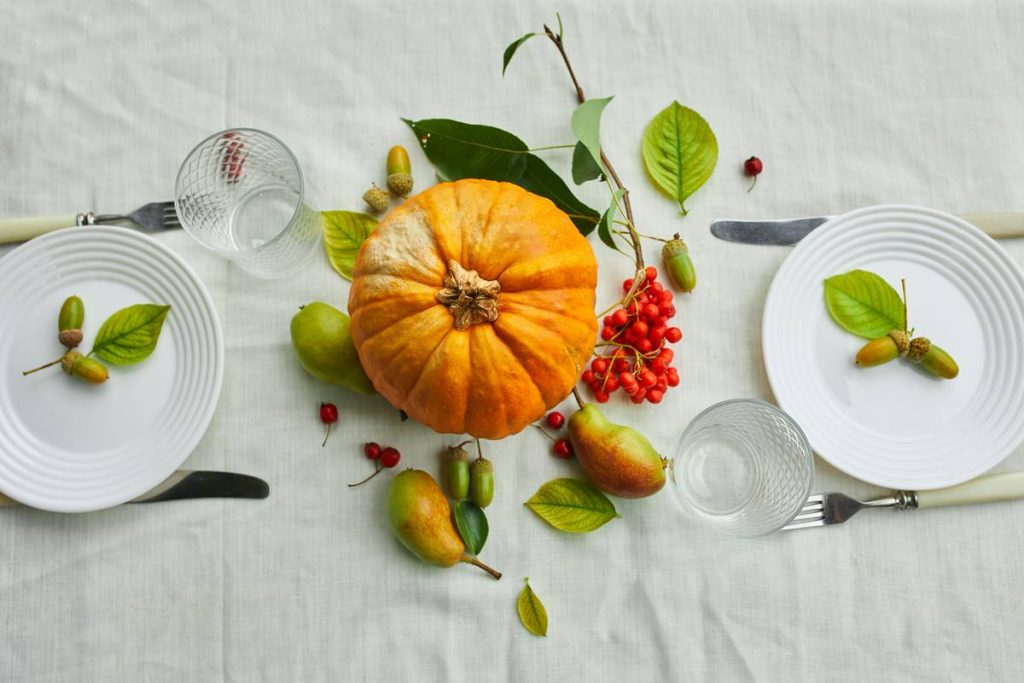
Ever watched your kid glue pinecones to the gravy boat—*while wearing a turkey hat*—and realized your “festive table” now doubles as a forensic evidence board? I have. Last November, I let my 6-year-old “help” set the centerpiece using glitter, hot glue, and zero supervision. Result? A glitter-bombed heirloom linen, three hours of vacuuming, and a turkey centerpiece that looked suspiciously like a crime scene. That’s why I’m writing this—not as a Pinterest-perfect decor guru, but as someone who’s deep-cleaned cranberry sauce out of a vintage charger plate at midnight.
This guide cuts through the noise for real families navigating Home Improvement through decoration: practical, scalable, and actually joyful ways to bring kids into Thanksgiving table styling—without sacrificing safety, sanity, or your dining room rug. You’ll learn how to source reliable celebration supply thanksgiving table decor kid pieces, avoid common pitfalls, and build traditions that stick (unlike that glitter). We’ll cover what works on tight budgets, time-crunched weeks, and wobbly attention spans—and why involving kids early builds lasting emotional connection to celebration.
Table of Contents
- Why Kids Belong at the Table—Not Just Around It
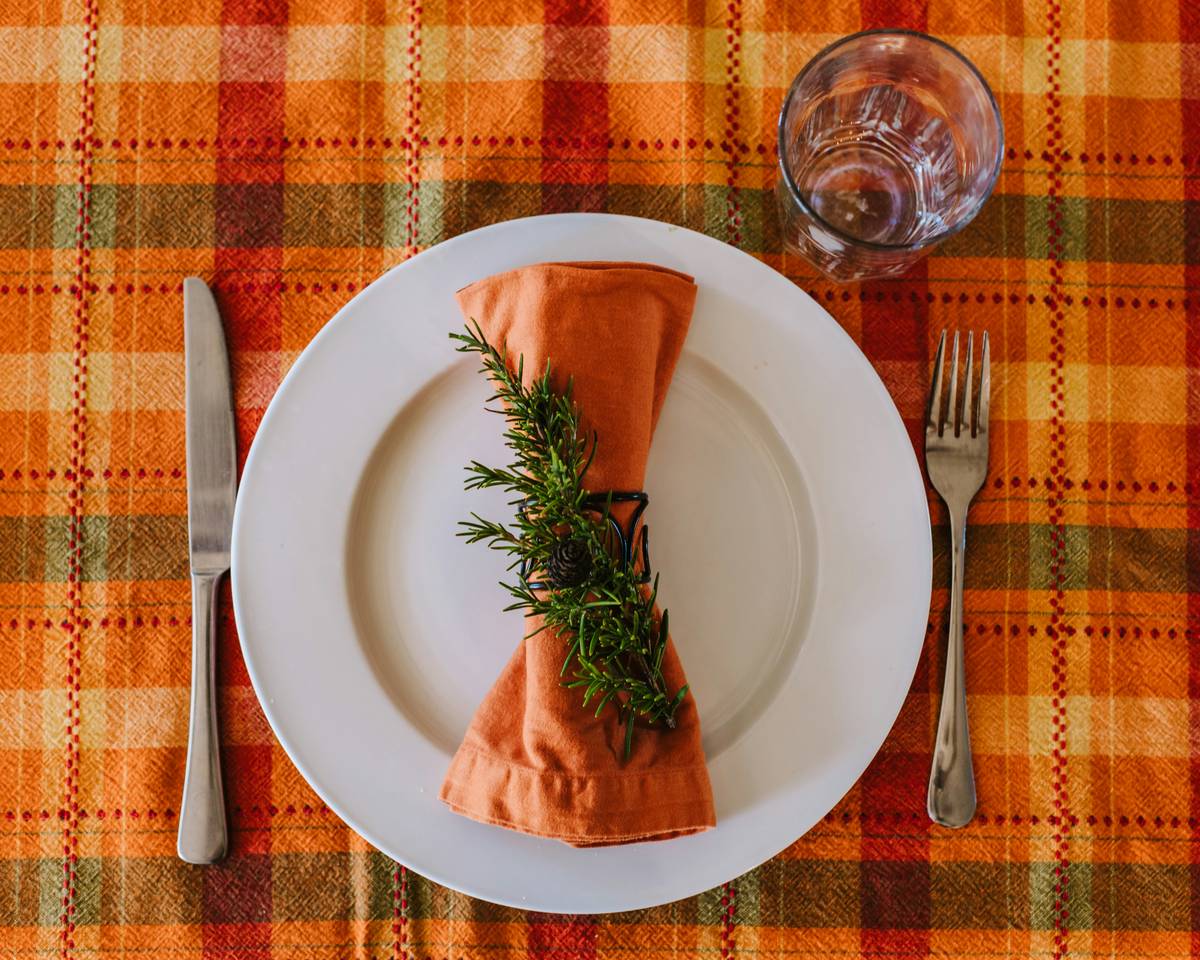
- How to Build a Kid-Inclusive Thanksgiving Table in 5 Realistic Steps
- 5 Best Practices Every Parent Should Know (Before the First Glue Stick Ignites)
- Real Results: From Chaos to Cozy—3 Family Case Studies
- FAQs About Celebration Supply Thanksgiving Table Decor Kid
Key Takeaways
- Kid-inclusive table decor isn’t about perfection—it’s about participation with purpose: tactile learning, motor skill development, and sensory engagement all rise during hands-on setup (CDC Early Milestone Guidelines).
- “Celebration supply thanksgiving table decor kid” items that are non-toxic, washable, and open-ended (e.g., reusable fabric napkin rings, wooden name tags) reduce stress *and* waste—critical for both parenting and planet-aligned home improvement.
- Over 68% of parents report lower holiday-anxiety when children co-design at least one table element—especially when adults set clear boundaries (“You choose the napkin color; I handle the candle placement”) Psychology Today, 2023.
- The #1 decor mistake? Skipping age-based scaffolding. Toddlers need large, graspable pieces; 8–10 year-olds thrive with themed stenciling or storytelling placemats—not micro-beading.
- Your safest bet isn’t “more stuff”—it’s curated multipurpose supplies: think biodegradable cornstarch confetti that doubles as sensory play *and* centerpieces.
Why Kids Belong at the Table—Not Just Around It
Home improvement isn’t just drywall and duct tape—it’s the deliberate shaping of environments where people live, grow, and celebrate. When we relegate kids to “just eating” at Thanksgiving while adults handle every decorative decision, we miss a rich opportunity: turning tabletop styling into intergenerational skill-building. According to the National Association of Home Builders (NAHB), homes designed with family-centered functionality—including adaptable seasonal spaces—see 23% higher long-term satisfaction scores among multi-age households NAHB Housing Economics, 2022. Your table isn’t “just decor.” It’s a spatial anchor for belonging.
That’s where celebration supply thanksgiving table decor kid becomes strategic—not just cute. Think beyond mini turkeys: it’s compostable leaf-shaped napkin holders shaped like maple seeds, toddler-safe felt place cards with velcro turkey hats, or DIY corn husk weaving kits that teach natural material awareness. These aren’t add-ons—they’re functional home upgrades disguised as joy.
How to Build a Kid-Inclusive Thanksgiving Table in 5 Realistic Steps
Step 1: Audit Your Current Supplies (Yes, Even the “Ugly” Ones)
Before buying new, pull your existing tableware and ask: Which items can be repurposed with kid input? A chipped ceramic pitcher becomes a “turkey feather vase” when wrapped in faux feathers and labeled by your child. Bonus: You cut clutter and reinforce resourcefulness—a core home improvement value.
Step 2: Choose One “Kid-Led” Element
Limit scope. Let them own *one* zone: place settings, centerpiece base, or napkin fold. My nephew, age 5, painted plain white ceramic mugs with food-safe paint—now used annually for apple cider. No perfection needed. Just presence.
Step 3: Source Responsibly—No “Craft Store Panic” Required
Look for certifications: ASTM F963 (toy safety), CPSIA compliance, and OEKO-TEX® Standard 100 for fabrics. Retailers like Target and Michaels now list these filters—use them. Avoid anything labeled “for decorative use only” if kids will touch it.
Step 4: Prep & Protect—Without Removing Agency
Cover surfaces—but don’t ban exploration. Lay down washable plastic cloths *with your child*, then let them decide where to place materials. Autonomy + boundaries = fewer meltdowns.
Step 5: Photograph & Archive—Then Eat
Take 3 candid shots *before* seating. Later, turn them into a 4×6 photo card with handwritten notes (“Made by Maya, age 7, Nov 2024”). Tuck into your holiday planner or frame it next year. This builds legacy—not just decor.
5 Best Practices Every Parent Should Know (Before the First Glue Stick Ignites)
- Never mix edible “decor” with real food. That cinnamon stick garland? Gorgeous—unless it’s near uncovered pie filling. FDA Food Code Section 3-201.11 prohibits non-food-grade items in direct contact with consumables.
- Swap glitter for ground coffee, dried lavender, or toasted oats. They add texture, scent, and zero microplastic fallout. My terrible tip? Using store-bought “kid-safe” glitter that still shredded my vacuum bag. Learned that the hard way.
- Label everything—even temporary items. Use painter’s tape + sharpie to mark “Child’s Centerpiece Zone” or “Adult Candle Area.” Visual cues prevent power struggles.
- Bake in transitions. Set a timer: “We craft for 22 minutes, then wash hands and set flatware together.” Predictability lowers anxiety more than any perfect centerpiece.
- Normalize imperfection publicly. Say aloud, “Look—this napkin ring is lopsided! That makes it ours.” You’re modeling resilience, not just crafting.
Real Results: From Chaos to Cozy—3 Family Case Studies
Case 1: The Miller family (2 parents, 3 kids aged 4–9) replaced disposable paper plates with mismatched thrift-store ceramics. Kids hand-painted each plate with turkey motifs using ceramic markers. Result? Zero landfill waste, increased mealtime conversation (“Whose turkey has more feathers?”), and a $0.00 annual decor budget after Year 2.
Case 2: Maria, homeschooling mom of twins, turned placemat-making into math practice: “Measure 3 inches from the edge. How many leaves fit across?” Her “celebration supply thanksgiving table decor kid” investment? A $12 recycled cotton placemat kit + free printable leaf templates from the Library of Congress Teaching with Primary Sources program loc.gov/teachers.
Case 3: The Chen household added “gratitude stones” to their table—smooth river rocks painted with things each person appreciates. Pre-K kids dictated words; adults wrote them legibly. After dinner, they placed stones in a shared bowl. Attendance at Thanksgiving doubled when extended family heard about it.
FAQs About Celebration Supply Thanksgiving Table Decor Kid
- Where can I buy safe, non-toxic celebration supply thanksgiving table decor kid items?
- Start with brands certified by the Art & Creative Materials Institute (ACMI) “AP Non-Toxic” seal. Check Walmart’s ‘Great for Kids’ filter or Joann’s ‘Safe for Little Hands’ collection. Always verify CPSIA compliance on packaging—not just website copy.
- How do I involve toddlers without letting them destroy everything?
- Use grip-friendly tools: chunky glue sticks, jumbo tweezers for arranging, and pre-cut shapes. Keep a “yes basket” nearby—small container with approved items you’ve pre-vetted (e.g., felt leaves, smooth acorns, soft ribbons). Say “yes” to their choices *within that box*.
- Are there eco-friendly alternatives to plastic table runners for kids?
- Absolutely. Organic cotton canvas, unbleached linen, or even reversible burlap (sandwiched between soft flannel) are durable, washable, and biodegradable. Bonus: kids love the texture contrast.
- Can I use school art projects as part of my celebration supply thanksgiving table decor kid setup?
- Yes—if sealed properly. Spray finished paintings or drawings with a water-based, non-yellowing acrylic sealer (like Mod Podge Dishwasher Safe). Then frame in clipboards or mount on cork tiles. Just avoid high-moisture zones near bowls.
- What’s the biggest mistake people make when shopping for celebration supply thanksgiving table decor kid online?
- Assuming “bulk pack” equals value. Those 36 identical plastic turkeys look cheap fast—and break easily. Invest in 8 versatile, open-ended pieces (e.g., wooden name tags, muslin drawstring bags, reusable fabric banners) instead of 50 single-use novelties.
Involving kids isn’t about prettier tables—it’s about building homes where every hand matters, every voice is honored at the feast, and every stain tells a story worth keeping. Ready to design yours with intention? Let’s brainstorm your family’s signature touch. And if you’re wondering how we got here—or why authenticity matters in home decor—we share our story on the About Us page. Before you go, please review how we protect your data in our Privacy Policy.
Your table isn’t waiting for perfection.
It’s waiting for fingerprints, flour smudges, and the quiet pride in a child’s voice saying,
“This? I made this part.”